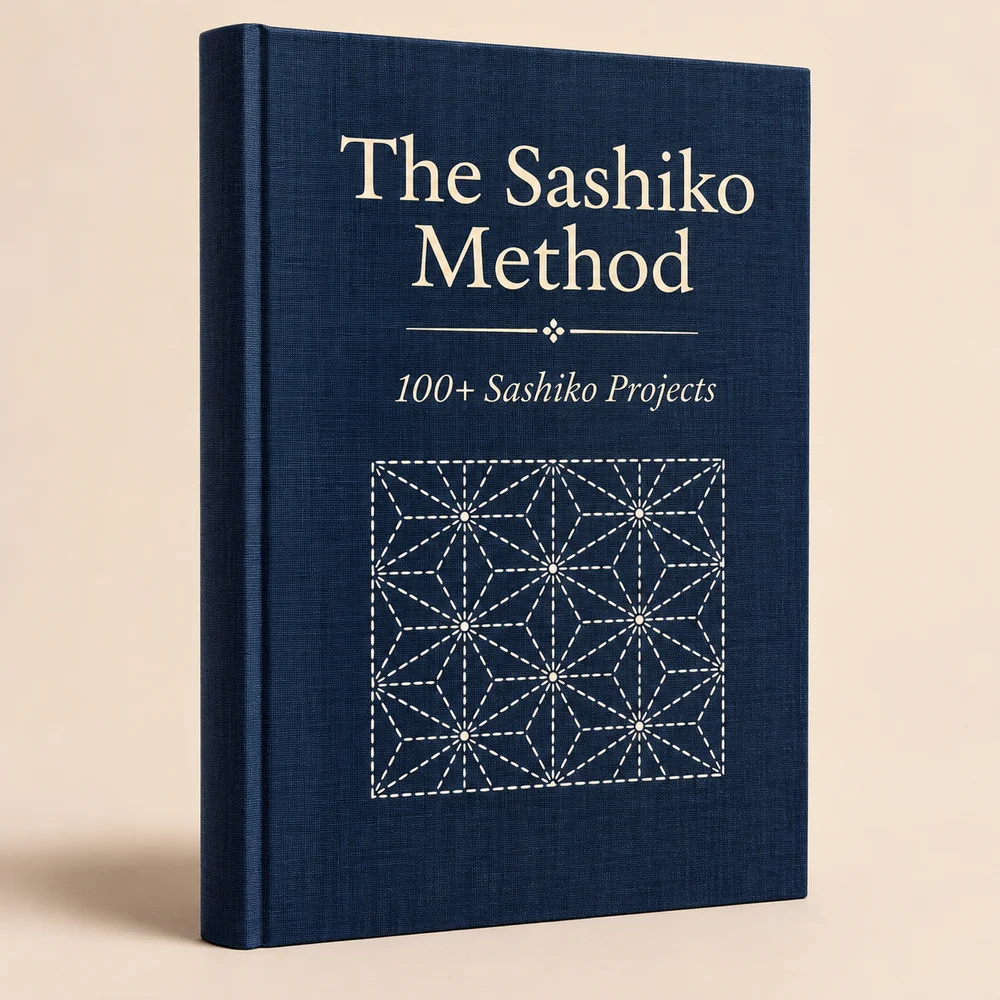
The step-by-step method: 100+ sashiko projects with every stitch already drawn on a full-size chart, plus a pricing sheet and a selling plan, so you can finish your first piece in one quiet evening and turn the hour after dinner into a little extra income from friends, neighbors and craft fairs near you.
“Did a sashiko repair on my favorite jeans and her work was awesome! Already getting compliments.”
“It was really relaxing! Almost meditative.”
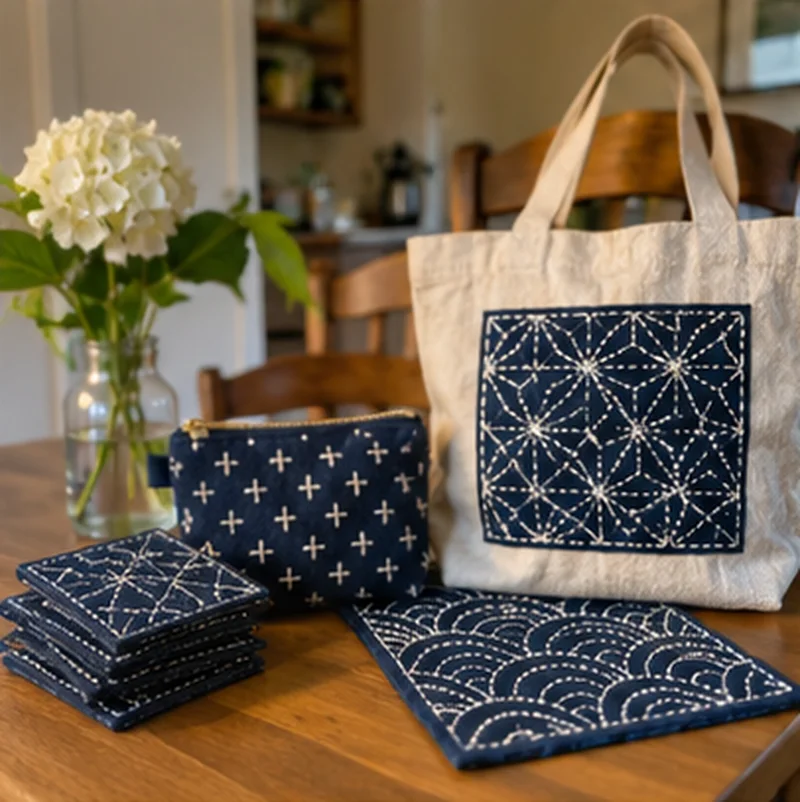
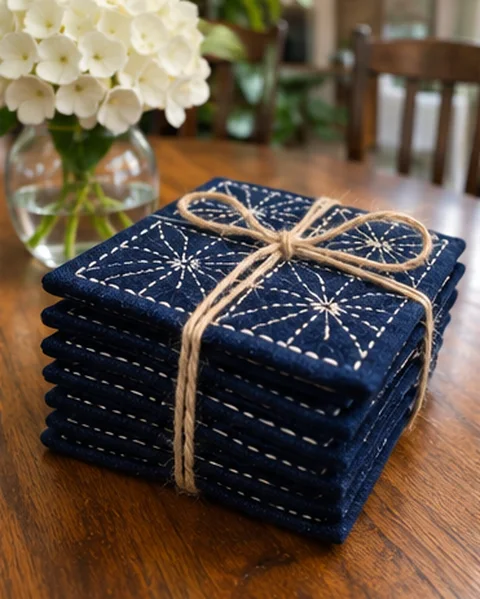
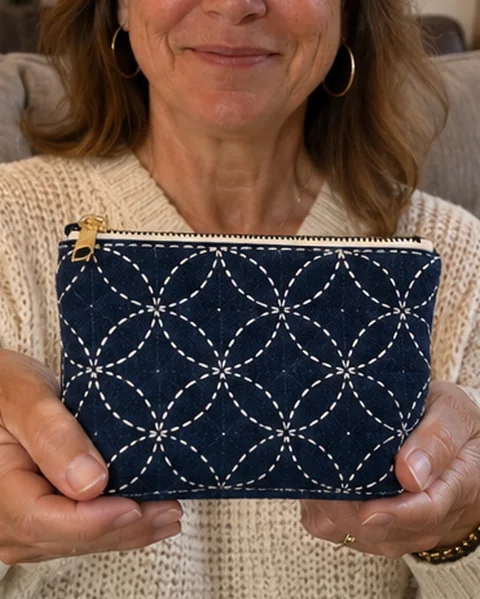
Search Etsy for hand-stitched sashiko and you'll find small shops listing a set of 4 coasters at $30, zip pouches at $35 to $65 and table runners at about $75, all made by hand, one stitch at a time.
“…she transforms your damage into the best part of the garment.”
A customer · on a visible mending service
Prices: hand-stitched sashiko listings on Etsy (US dollars), read November 4, 2026.
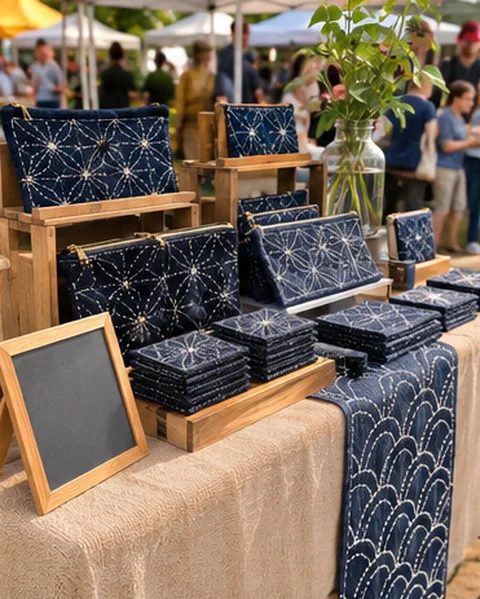
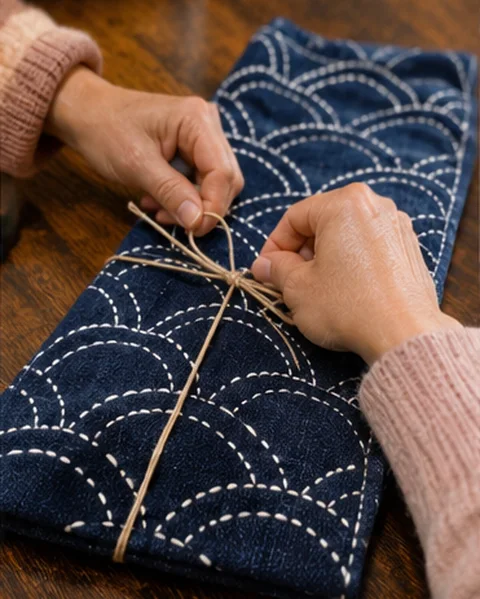
A hand-stitched piece is the gift people remember: for a sister, a teacher, a new home, a grandma. People start looking 3 to 4 weeks before, and the women who sell the most show their work before anyone asks.
Enough time to finish your first coasters tonight, take one good photo and line up your first orders before the rush, one quiet hour at a time.
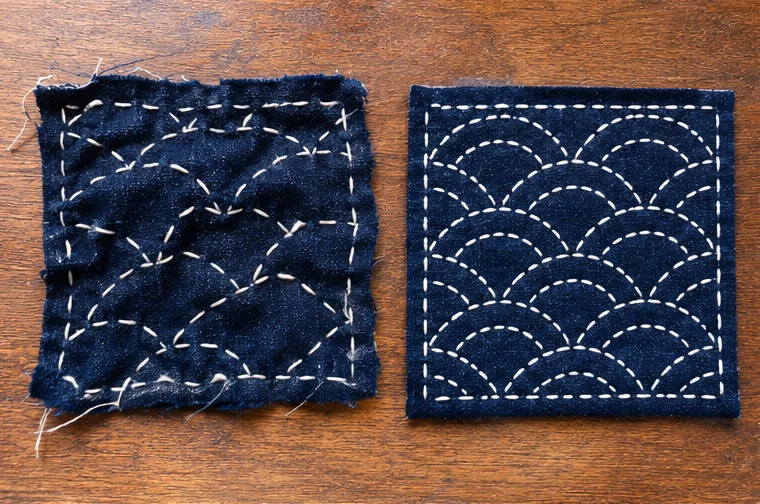
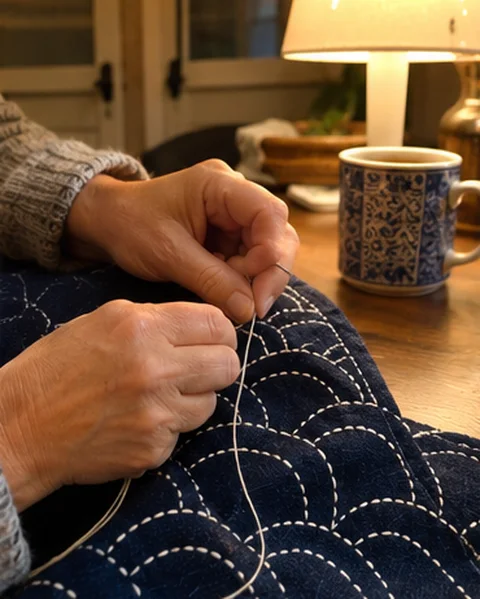
Extra income starts with something you can actually finish. Sashiko is a Japanese running stitch: in and out, in and out. Every project comes with a full-size chart, so the pattern is already drawn. It was never your hands. It was the marking.
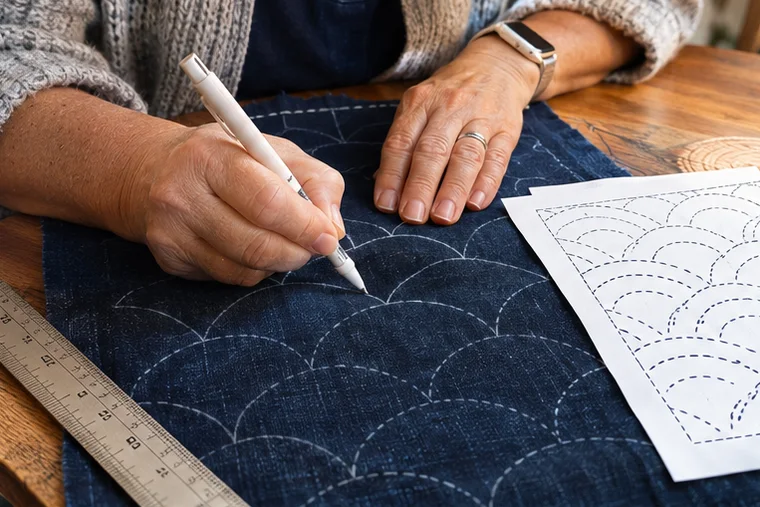
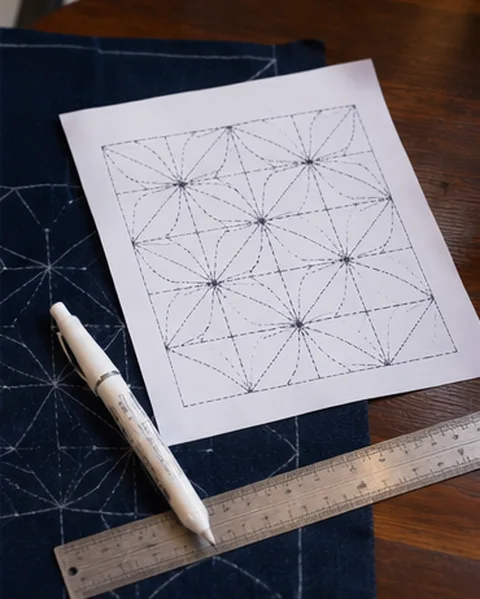
Print the chart, trace it onto the fabric, sit down after dinner and follow the lines. A coaster takes about an hour or two, a tote panel a few evenings. You decide how many you make.
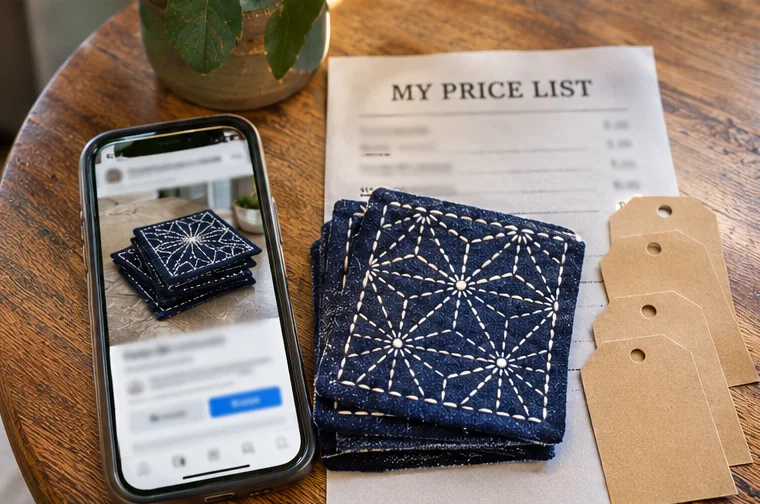
The fabric and thread for a set of 4 coasters cost about $4 to $6. Etsy shops charge $25 to $120 for hand-stitched pieces. The pricing sheet shows you what to charge, so your hours are never free.
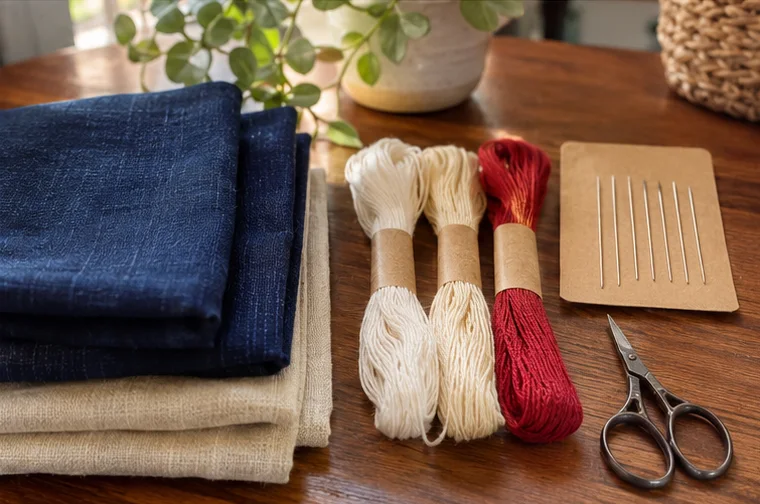
$27 for the Method and about $40 of fabric, sashiko thread, needles and a marking pen. No sewing machine, no hoop, no experience. After that, the first sale pays for the next thread.
There's no off-season for gifts, and no off-season for a little extra income. There's always a housewarming, a birthday or a favorite pair of jeans somewhere near you.
🏠 Housewarmings · 🎂 Birthdays · 👖 Jeans to mend · 💍 Weddings · 👵 Grandmas · 🍎 Teachers · 🕊️ Keepsakes · 🎁 Just because
$25–65The small things people pick up on the spot. You stitch a few in a week and keep some ready to show and sell.
$60 and upBigger pieces for the moments people care about most. Higher price, and the customer tells you exactly what she wants.
Open the Method, pick a coaster and stitch your first one. If it isn't for you, send one email within 7 days and we'll refund you in full. No forms, no hard feelings.
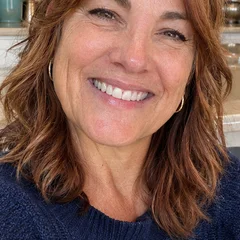
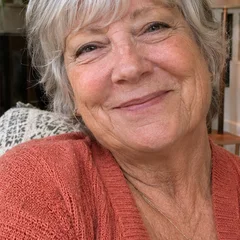
They were exactly where you are before the first coaster.
Michelle ›
Donna ›
Lisa ›
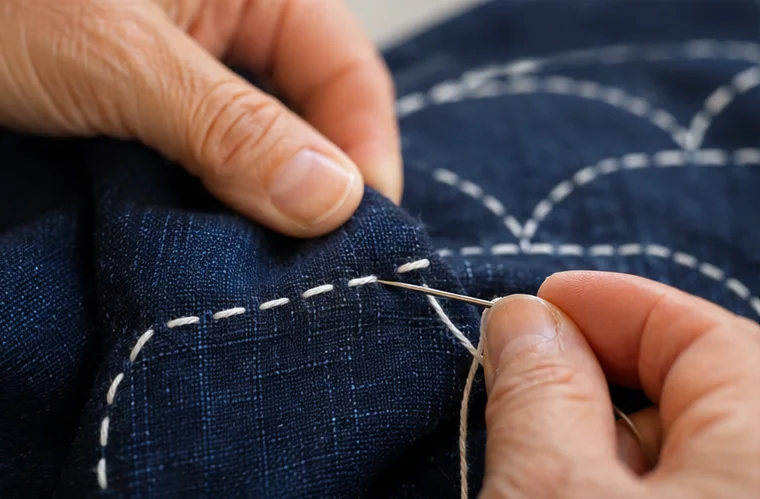
One evening. Read the starter list, buy your fabric and thread, and pick the first coaster: it's the one made for beginners and the one people ask for most.
About $40 of supplies. Print the chart, trace it onto the fabric, follow the lines after dinner, and take one good photo in window light.
The pricing sheet gives you the price. Post with the template, first to people who already know you: friends, coworkers, church, your quilt group and your local Facebook group.
Get paid, hand it over with the care card, and write it in the order tracker. Then start the next.
That's it. One week. And just like that, your quiet hour is bringing in a little extra income.
Every one of these is a project inside. Same chart, same pricing sheet.
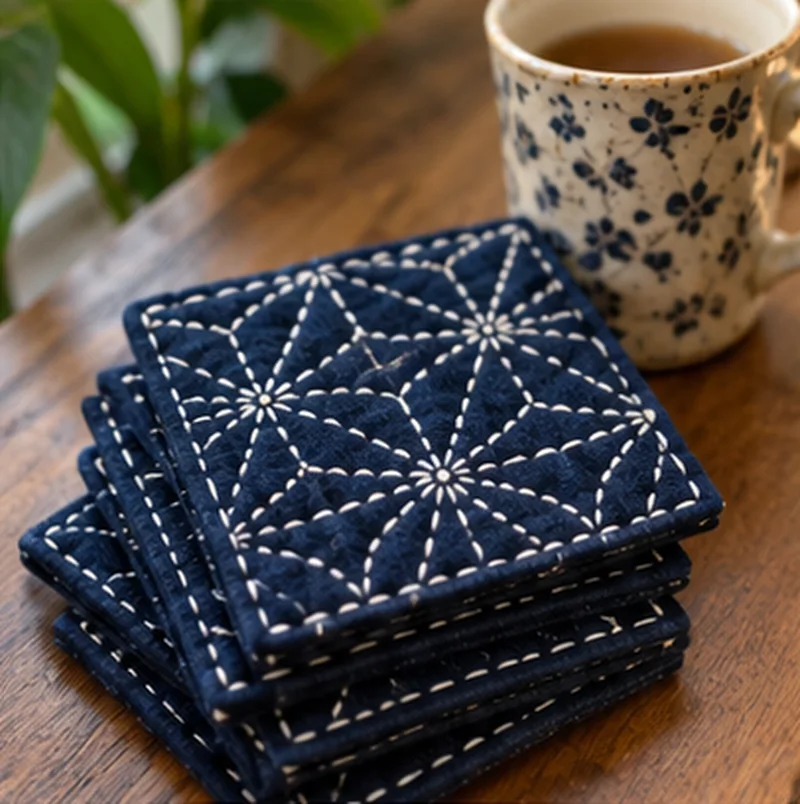
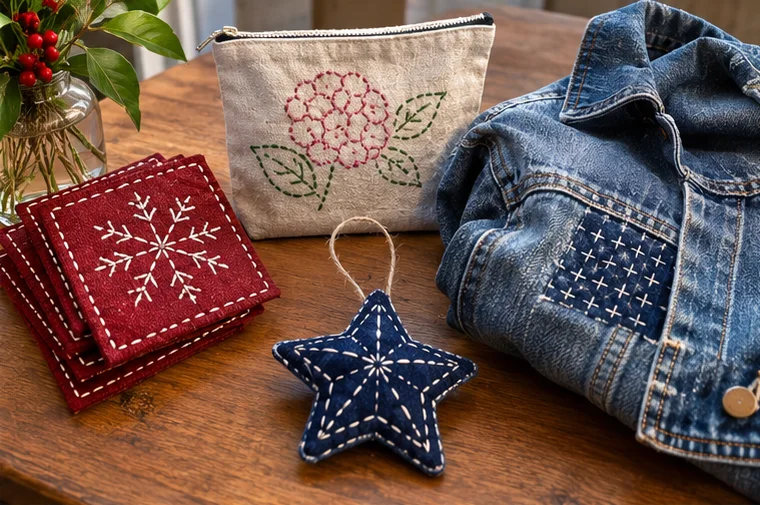
Coaster set of 4Sells for $25–45
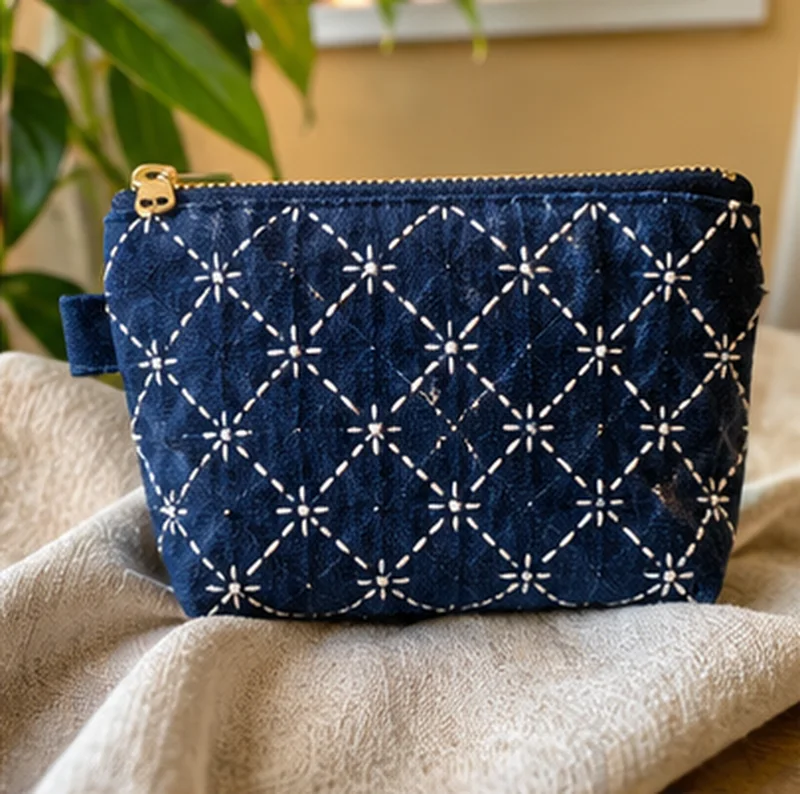
Zip pouchSells for $30–65
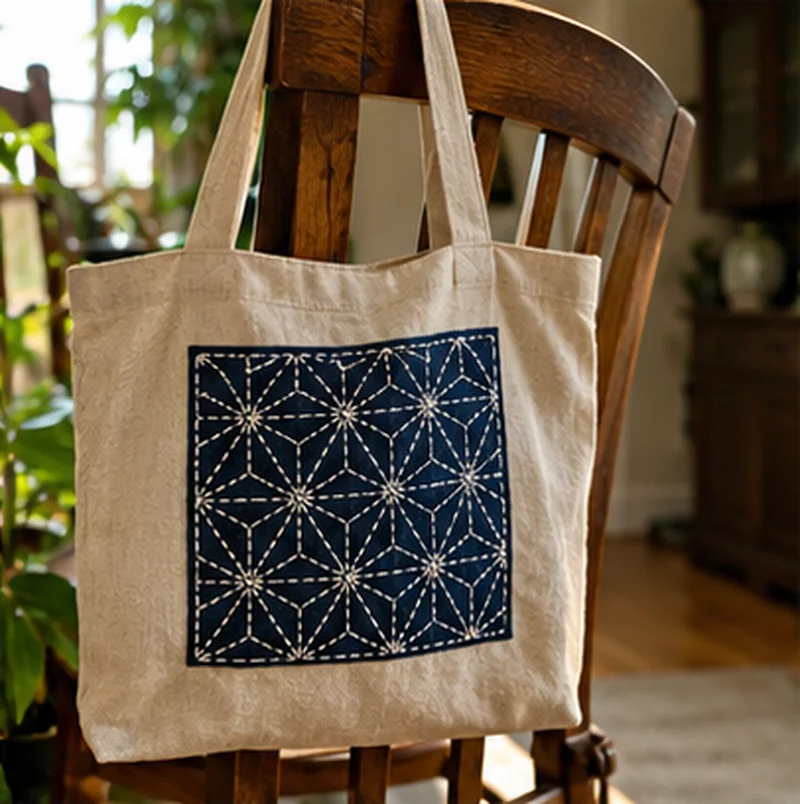
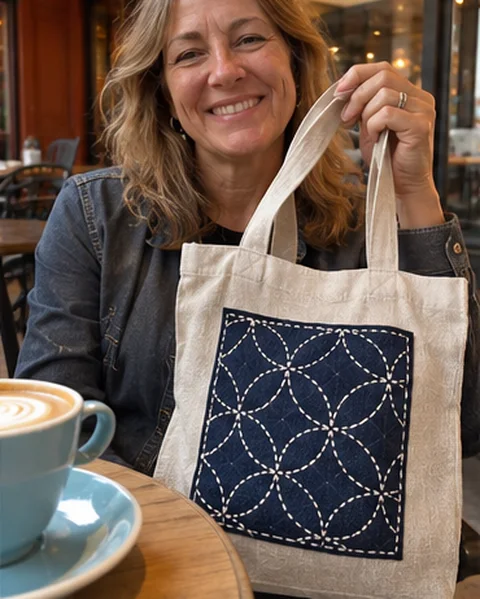
Tote bagSells for $40–120
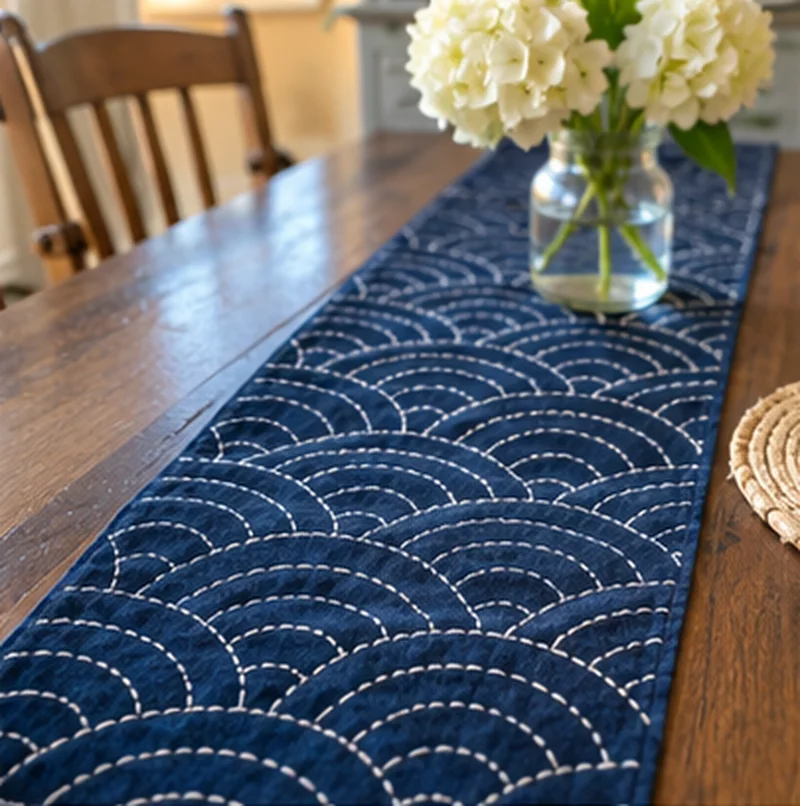
Table runnerSells for $60–150
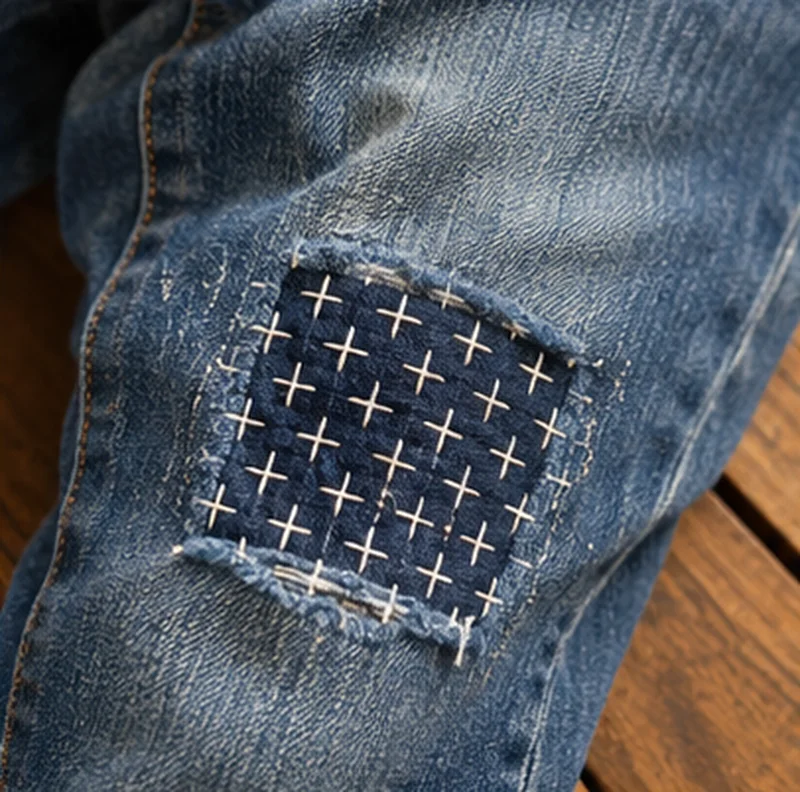
Mended denimSells for $25–50
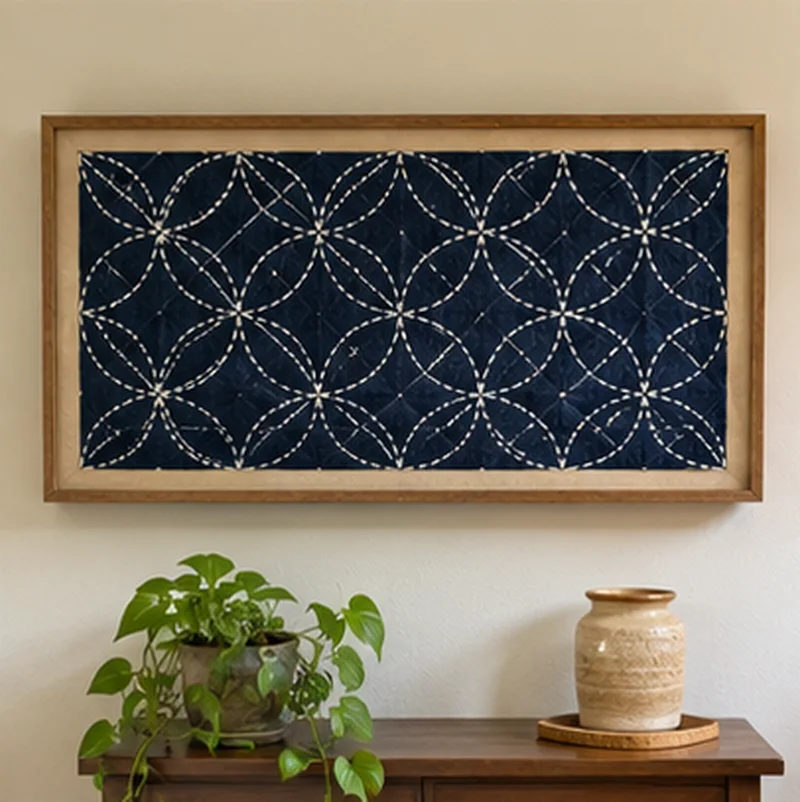
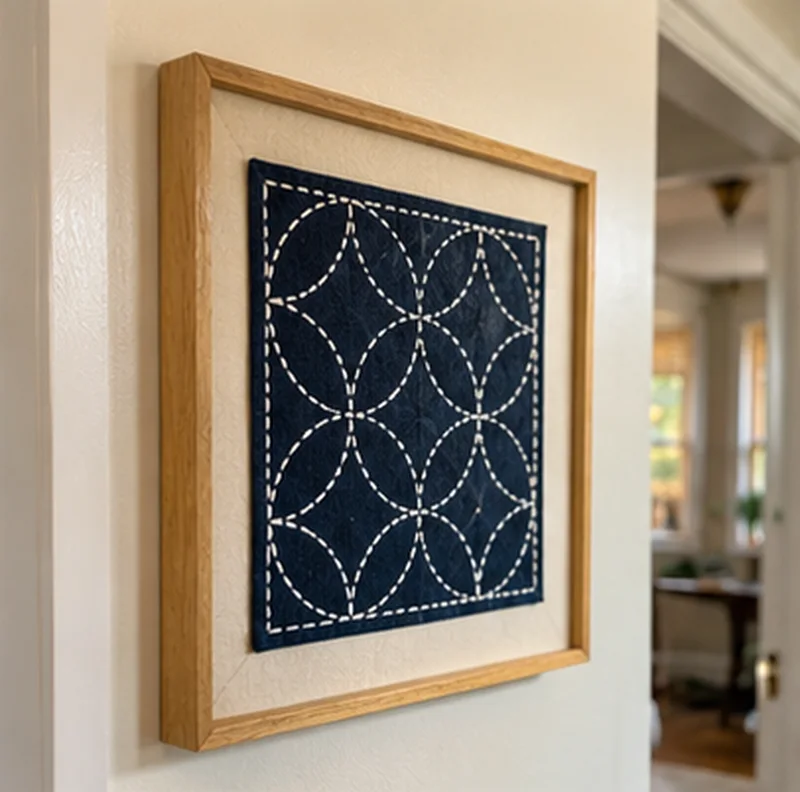
Framed wall hangingSells for $55–195From the first stitch you make to the first piece you sell.
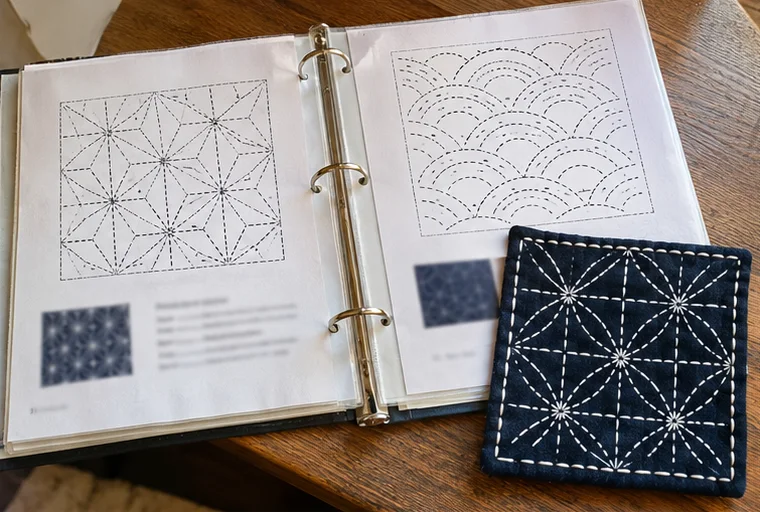
Most patterns give you a picture and leave you to mark the fabric with a ruler. Get one line off and the whole design drifts. Here every project is a full-size chart: the grid and every stitch already drawn, the order to stitch them, and how much thread and fabric it takes. You print it, trace it and follow the lines. No math, no guessing.

Coasters, bookmarks, napkins, pouches, tote bags, table runners, cushion covers, framed wall hangings and visible mending for denim. Start with Volume I, the pieces made for your first week, and move up when you're ready.

The details that make people ask "where did you buy this?": the same stitch length on every line, corners that turn cleanly, crossings that never touch, a back as tidy as the front and no knots to catch. The difference between homemade and handmade.

Which fabric lets a long needle glide, which thread keeps its shape, which marking tools wash out. Then the color combinations people ask for, so your pieces look expensive from the very first one.

When a line wanders, the fabric puckers or the thread twists, it's almost always one of a few things. This guide shows you which one, and how to fix it without starting over.

Christmas coasters and ornaments, Mother's Day pouches, housewarming runners and visible mending for the jeans and jackets people can't let go of. The pieces people look for before the date, ready to stitch a few weeks ahead.

Your extra income starts here: what to post, what to say and what to charge to sell your first pieces to people who already know you: friends, coworkers, church, your quilt group, your local Facebook group, Marketplace and Etsy.

What happens after the first stitch.

“I felt relaxed and absorbed - it was lovely to find just the right challenge and sense of achievement afterwards.”
Hand stitcher · after a sashiko class
“I was able to mend my bf's jeans right away and they came out great!”
Hand stitcher · on her first mend
“I love Sashiko kits because there's no waste involved.”
Hand stitcher · Etsy review
“Love this so much and can't wait to get stitching!”
New stitcher · Etsy review
“I wanted to try sashiko and this kit is perfect as a beginner.”
Beginner · Etsy review
“I felt totally relaxed.”
Hand stitcher · after a sashiko class
“So fun and easy! Super cute!!”
Hand stitcher · on visible mendingNo. This is a digital method: you get instant access to every project, chart, guide and printable the moment you pay. Fabric and thread aren't included and nothing is shipped, so there's no waiting and no shipping cost.
Yes. Sashiko is one stitch, in and out, along a line that's already drawn. You start with Volume I, the chart shows you where every stitch goes, and your first coaster teaches you the rest. Your first one takes the longest.
There are, usually for one pattern, and you're left to mark the grid by hand. One line off and the whole design drifts. You don't need another free video. You need the pattern drawn for you at full size, and a plan to turn your pieces into extra income.
That's the whole point of the Stitch-by-Grid Chart. The spacing is already drawn, so you only follow the line. A little hand-made variation is part of what people love about sashiko, and the Clean Stitch Guide shows you how to keep it even.
It depends on your hours. If you keep about $25 a set, 1 set a week works out to about $1,300 a year, and the holidays run higher. Custom pieces and mending pay more. Results are not guaranteed and depend on your effort, prices and area.
People who want something real and can't find it in a store. On Etsy today, a set of 4 large sashiko coasters is listed at $30, zip pouches at $35 to $65 and one maker charges $48 to mend a pair of jeans. You'll start with people who already know you, and the pricing sheet shows you what's fair in your area.
Sashiko needles, sashiko thread, cotton or linen fabric, a washable marking pen and small scissors. About $40 gets you set up and covers your first pieces. You also need a way to print the charts at home or at a copy shop. The starter list in Module 1 tells you exactly what to buy.
No. Every stitch in the Method is done by hand. A few bag projects can be finished with a machine if you have one, and each of them also shows the hand-sewn way.
You start with people who already know you: friends, coworkers, church, your quilt group and your local Facebook group. A hand-stitched piece on a table does half the work, because people pick it up and ask. The kit gives you the exact posts and messages, and you only buy more thread after you sell.
Friends and word of mouth, Facebook Marketplace, church bazaars and craft fairs, quilt shops and small boutiques, and Etsy. The Sell-Your-Stitching Kit shows you where to start in the first 30 days.
You're not racing a factory. The Method starts you on small pieces that take an evening, and the pricing sheet counts your hours so you never sell a piece for less than it took. Stitching in front of the TV instead of scrolling is the part most women like best.
Sashiko is a working tradition, and hand stitchers around the world practice it. The Method teaches the traditional patterns with their names and history, and shows you how to describe your work honestly and with respect: sashiko-style, stitched by you.
MLMs make you buy stock and recruit your friends. This is the opposite: no stock, no recruiting, and you make something people keep for years.
You can sell as many finished pieces as you make, but the charts and printables are for you. Sharing or reselling them isn't allowed.
Yes. Checkout is secure, everything arrives in your email the moment you pay, and you're covered for 7 days.
Your purchase is covered for 7 days. Open the Method, stitch a coaster, and if it isn't for you, send us one email and we'll refund you in full.